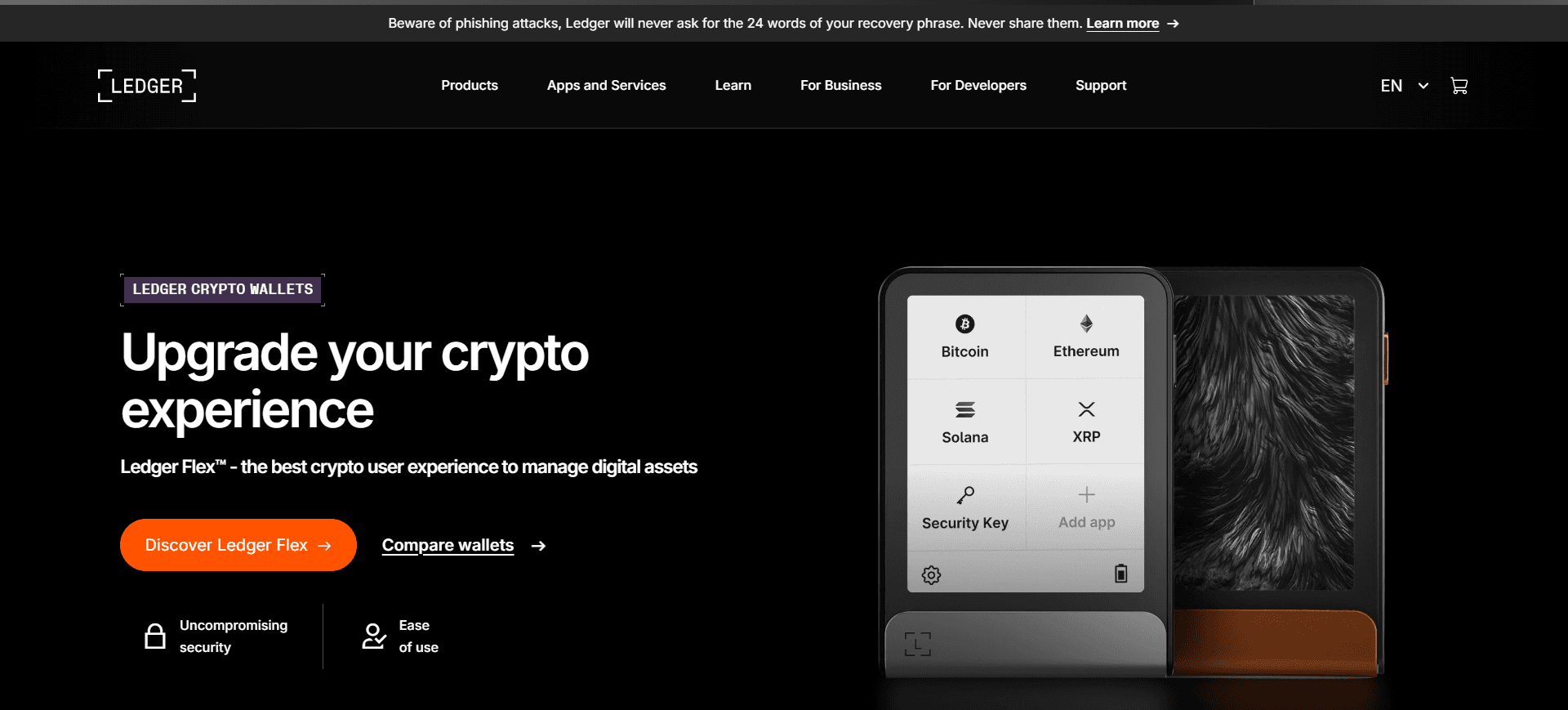
Ledger Live Login Explained: How Users Access Crypto Securely with Ledger
In the world of cryptocurrency, access equals ownership. Unlike traditional financial systems, there are no forgotten password links, no call centers, and no account recovery forms. This makes security both powerful and unforgiving. Ledger understands this reality and has designed Ledger Live as a secure gateway that allows users to manage crypto assets without exposing private keys to the internet. To use it correctly, it is important to understand what Ledger Live login truly means.
This guide breaks down how Ledger Live login works, why it does not use emails or passwords, and how users can safely access and manage their digital assets.
Overview of Ledger Live
Ledger Live is the official software application developed by Ledger to interact with Ledger hardware wallets. It works as a control panel for crypto assets while ensuring that sensitive data remains protected inside the hardware device.
Ledger Live enables users to:
Check balances across blockchains
Send and receive cryptocurrency
Install and manage blockchain apps
Stake supported assets
Swap and purchase crypto
Monitor portfolio performance
Update Ledger device firmware
Ledger Live does not hold private keys. All security-critical actions take place on the Ledger hardware wallet.
Defining “Ledger Live Login”
The term “Ledger Live login” often causes confusion. Many users expect a traditional login system similar to exchanges or mobile apps. However, Ledger Live does not operate this way.
There is:
No online Ledger account
No email or password login
No browser-based access
No cloud-stored wallet
Ledger Live login simply refers to connecting and unlocking your Ledger hardware wallet within the Ledger Live application. Your physical device acts as your identity.
Why Ledger Live Does Not Use Passwords
Passwords are one of the weakest links in digital security. They can be guessed, leaked, phished, or reused across platforms. Ledger removes this risk entirely by eliminating password-based authentication.
By design:
Ledger does not store user credentials
There is no central database of accounts
Hackers have nothing to steal remotely
Users retain full self-custody
This approach dramatically reduces the chance of mass security breaches.
How Ledger Live Login Works Step by Step
Step 1: Open the Ledger Live Application
Ledger Live must be installed on your computer or smartphone.
Step 2: Connect Your Ledger Hardware Wallet
Use a USB cable for Ledger Nano S Plus or USB/Bluetooth for Ledger Nano X.
Step 3: Unlock the Device
Enter your PIN directly on the Ledger device. This confirms physical possession.
Step 4: Approve the Connection
Confirm that Ledger Live is allowed to communicate with the device.
Step 5: Manage Your Assets
Once authenticated, Ledger Live provides access to wallet features while all approvals occur on the device screen.
Without the device and correct PIN, login is impossible.
Ledger Live Login Is Hardware-Based, Not Web-Based
Ledger Live does not authenticate users over the internet. Instead, it verifies:
Device authenticity
Secure firmware
Encrypted communication
User confirmation via physical buttons
This ensures that even if a computer is compromised, private keys remain safe.
Installing Ledger Live Safely
Secure login begins with installing the genuine Ledger Live application.
Best practices include:
Downloading Ledger Live only from Ledger’s official website
Avoiding third-party download links
Ignoring emails claiming urgent updates
Keeping the app up to date
Fake Ledger Live apps are a major source of crypto theft.
First-Time Ledger Live Login Experience
When users open Ledger Live for the first time, they are guided through a setup flow instead of account creation.
This process includes:
Choosing between new or existing wallet
Connecting the Ledger device
Reviewing security warnings
Verifying device authenticity
This onboarding replaces traditional sign-up forms.
The Role of the PIN Code
The PIN code protects your Ledger hardware wallet from unauthorized physical access.
PIN features:
Entered only on the device
Required every time the device is unlocked
Multiple incorrect attempts trigger a reset
Can be changed at any time
The PIN works alongside the recovery phrase, not instead of it.
Recovery Phrase and Ledger Live Login: Key Difference
The recovery phrase is not part of the login process.
Important facts:
Ledger Live never asks for your recovery phrase
The phrase should never be typed into a computer or phone
It is only used to restore a wallet on a Ledger device
Anyone asking for your recovery phrase is attempting fraud.
Using Ledger Live on Different Devices
Desktop Version
Requires USB connection
Ideal for long-term management
Compatible with Windows, macOS, and Linux
Mobile Version
Uses Bluetooth (Nano X only)
Convenient for quick access
Same security standards as desktop
In all cases, transactions must be approved on the Ledger device itself.
What Happens If Access Is Lost?
Lost Computer or Phone
Install Ledger Live on a new device and reconnect your Ledger wallet.
Lost Ledger Hardware Wallet
Restore access using your recovery phrase on a new Ledger device.
Forgotten PIN
Reset the device and restore using the recovery phrase.
Ledger Live does not store assets—your crypto remains on the blockchain.
Common Ledger Live Login Problems and Solutions
Device Not Connecting
Try a different USB cable
Restart Ledger Live
Unlock the device before connecting
Bluetooth Issues
Keep the device nearby
Restart Bluetooth
Update Ledger Live
App Stuck on Connection Screen
Restart the app
Update firmware if needed
Close other wallet software
Security Strength of Ledger Live Login
Ledger Live login protects users through:
Offline private key storage
Physical confirmation for transactions
Secure element chip technology
Firmware integrity checks
Zero cloud dependency
This design minimizes exposure to phishing, malware, and remote attacks.
Ledger Live Login vs Exchange Accounts
FeatureLedger LiveCrypto ExchangesPassword LoginNoYesAsset CustodyUser-controlledExchange-controlledOffline StorageYesNoAccount FreezingImpossiblePossibleHacking RiskVery lowHigher
Ledger Live offers true ownership.
Best Practices for Safe Ledger Live Login
Keep Ledger Live updated
Never share your PIN or recovery phrase
Verify transaction details on the device screen
Avoid public or shared computers
Ignore unsolicited support messages
Store your recovery phrase securely offline
Who Should Use Ledger Live?
Ledger Live is suitable for:
Crypto beginners learning self-custody
Long-term investors
Users holding multiple assets
Anyone leaving centralized exchanges
It combines usability with strong security.
Why Ledger Live Login Is Designed This Way
Ledger Live is built around the idea that:
Ownership should not depend on passwords
Security should not rely on servers
Users should control their keys completely
Hardware-based login ensures these principles are upheld.
Final Thoughts on Ledger Live Login
Ledger Live login is not about accounts—it’s about access through ownership. By requiring a physical Ledger device instead of online credentials, Ledger eliminates many of the risks associated with traditional wallet systems.
Understanding how Ledger Live login works helps users avoid scams, protect their recovery phrase, and confidently manage crypto assets. For anyone serious about long-term crypto security, Ledger Live provides a reliable, user-controlled solution built for the realities of decentralized finance.